

Is Reactive Dog Training Worth It
Table of Contents
- What Reactive Dog Training Actually Is
- Reactive Dog Training Classes: What to Expect
- How to Train a Reactive Dog: Self-Training vs. Professional Help
- How Long Does Reactive Dog Training Take
- Reactive Dog Training Success Stories: What Real Progress Looks Like
- Is the Investment Worth It: A Decision Framework
- Moving Forward With Your Reactive Dog
- Frequently Asked Questions
Last Updated: October 15, 2026
What Reactive Dog Training Actually Is
Reactive dog training addresses how dogs respond to triggers in their environment. A reactive dog may bark, lunge, or pull on leash when they see another dog, person, car, or unfamiliar stimulus. This is communication, not misbehavior. Your dog isn't broken, they're telling you something feels unsafe or overwhelming right now.


Reactivity can stem from fear, anxiety, frustration, excitement, overstimulation, pain, or learned behavior, and may involve several factors combined. Reactivity and aggression are not identical, though they can overlap. A dog who barks and lunges isn't automatically aggressive, but any frightened, painful, or overwhelmed dog may bite if they feel cornered or threatened. That's why management and professional guidance matter.
Our community understands that reactive dog training is one piece of a bigger picture that includes management, compassion, and celebrating the wins that matter.
Reactive Dog Training Classes: What to Expect
Group Classes vs. Private Training
Group classes and private training serve different purposes. Group classes expose your dog to other dogs and handlers in a controlled setting, helping them practice staying calm around distractions. Private training focuses on your specific dog, household challenges, and handler skills.
Group classes work best when reactivity is mild to moderate and your dog doesn't pose a bite risk. Private training is often necessary when reactivity is severe, when your dog has a bite history, or when you need help with specific home situations.
Many dog parents combine both: start with private sessions to build foundation skills, then join a group class once your dog shows progress. Others find private training alone is what their dog needs.
What Happens in a Typical Session
A good session starts with the trainer watching your dog's body language and listening to your concerns. They'll ask about triggers, what happens before and after a reaction, and what you've already tried.
The trainer then works with your dog using reward-based methods: rewarding calm behavior, teaching alternative responses to triggers, and building confidence. Sessions typically last 30 to 60 minutes.
You'll get homework. Real progress happens between sessions, so expect to spend 10 to 20 minutes most days practicing these skills.
| Training Format | Best For | Time Commitment | What to Expect |
|---|---|---|---|
| Private training | Severe reactivity, bite risk, specific household issues | 1-2 sessions weekly, 15-20 min daily practice | Customized plan, one-on-one attention, faster progress |
| Group classes | Mild to moderate reactivity, dog-dog socialization | 1 weekly class, 10-15 min daily practice | Controlled exposure to triggers, community support, lower cost |
| Combined approach | Most reactive dogs | 2-4 sessions weekly total, 15-20 min daily | Balanced skill-building and real-world practice |
How to Train a Reactive Dog: Self-Training vs. Professional Help
Can You Train Your Reactive Dog on Your Own
You can absolutely work on reactive dog training yourself. The foundation is understanding what triggers your dog, managing their distance from those triggers, and teaching them what to do instead.
Start by identifying patterns. When does your dog react? What happens right before? Write it down for a week and you'll start seeing patterns.
Then practice basic skills in low-stress situations. Teach your dog to look at you, sit, or take treats, building confidence in quiet environments first. Once they know these behaviors, you can use them as alternatives to reacting.
Manage distance carefully. If your dog reacts to other dogs at 30 feet, don't walk them at 20. Keep them at 40 or 50 feet until they're ready for closer exposure. This isn't giving up, it's being responsible.
When a Professional Trainer Makes the Difference
A professional trainer helps when you're stuck, when reactivity is severe, or when you need someone to teach you how to read your dog's body language and timing.
Trainers spot what you might miss: early stress signals before your dog reacts, and how to adjust when one method isn't working.
Look for trainers who use reward-based methods. Ask if they're certified through organizations like the International Association of Canine Professionals or the Certification Council for Professional Dog Trainers. Ask about their experience with reactive dogs specifically.
Interview trainers before signing up. Ask how they handle dogs who react during class, what happens if a dog isn't making progress, and for references from other reactive dog owners. The right trainer will welcome these questions.
How Long Does Reactive Dog Training Take
There's no single timeline. Some dogs improve in weeks, others take months or years. It depends on how long reactivity has been happening, how severe it is, what's causing it, and how consistently you practice.
Many dog parents notice small changes within the first few weeks: reacting less intensely, recovering faster, or staying calm in one situation where they used to struggle.
Expect real progress to take at least three to six months of consistent work, assuming you practice daily and work with a trainer or follow a solid plan. Skipping weeks will slow things down.
Some dogs reach a point where reactivity is manageable but never completely disappears. That's okay.
Reactive Dog Training Success Stories: What Real Progress Looks Like
Real progress looks different for every dog. For one, it might mean going from reacting to every dog they see to only dogs within 10 feet.
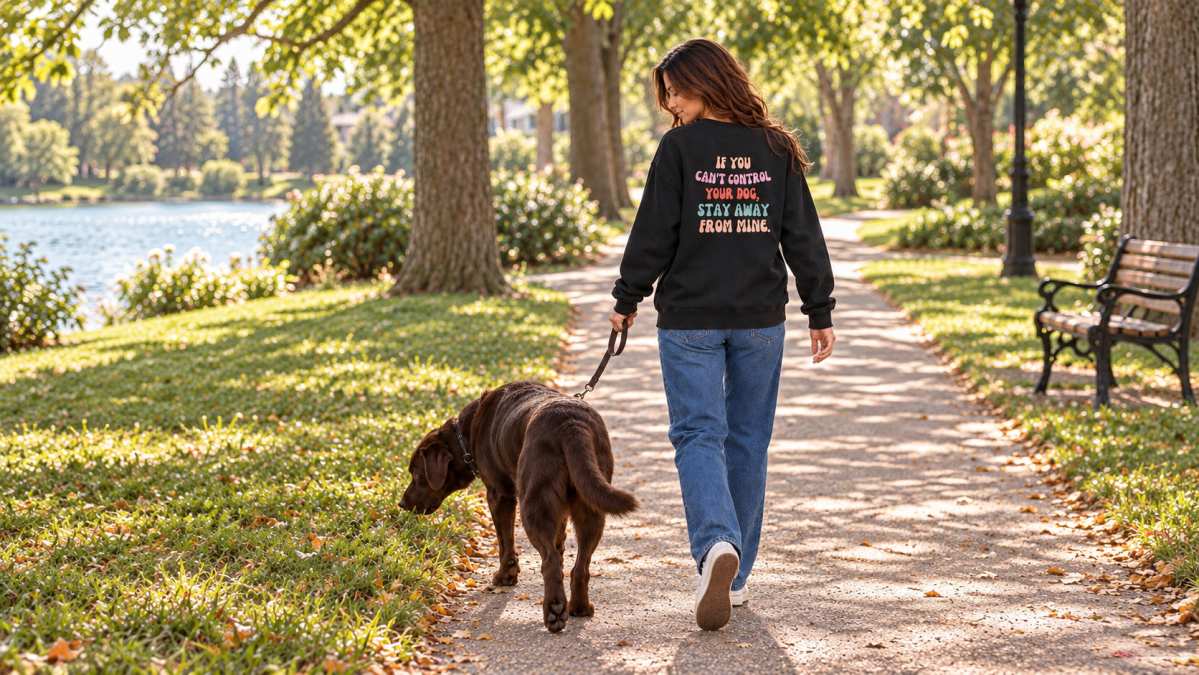
Success isn't about your dog becoming a social butterfly or ignoring triggers completely. It's about your dog having the skills and confidence to stay calm when triggers appear, and you having the knowledge to manage situations safely.
Some dogs learn to look at their handler when they see a trigger instead of reacting. Others learn to sit and take treats while another dog walks past.
The biggest sign of progress is often your own confidence. You know your dog's limits, plan routes to avoid unnecessary triggers, and no longer feel embarrassed on walks.
Reactive Give Space | EARSBACK →
Is the Investment Worth It: A Decision Framework
Before you invest time and money in reactive dog training, ask yourself these questions.
Is my dog's reactivity affecting our quality of life? If your dog reacts to one specific thing but you can easily avoid it, training might not be urgent.
Do I have the time and energy for daily practice? Training requires consistency. If you're already overwhelmed, adding 15 minutes of daily practice might not be realistic right now. Be honest about this.
What's my goal? Are you trying to fix reactivity completely, or make it manageable? Do you want your dog to be calm around all dogs, or just safe on walks?
Can I afford it? Private training can range widely in cost. Group classes are often more affordable. There are also free and low-cost resources online.
Measuring Progress Beyond the Ideal Outcome
Progress isn't always obvious. You might not see dramatic changes, but your dog could still be improving.
Track specific behaviors. Count how many times your dog reacts during a walk. Note how long reactions last. Write down your dog's body language before reacting. After a few weeks, look back at your notes. Did the reaction frequency go down? Are recoveries faster? Is your dog's body less tense?
Also notice what didn't happen. Your dog didn't react to that one trigger. They stayed calm during that visit. They didn't escalate when another dog barked. These are wins.
Ask yourself if your dog is more comfortable in daily life. Are they sleeping better? Do they seem less anxious at home? Is their appetite normal? These signs matter too.
Red Flags in Training Approaches
Avoid trainers who use intimidation, dominance, physical punishment, shock collars, prong collars, or other aversive methods. These approaches may suppress reactivity temporarily, but they don't teach your dog what to do instead. They can also increase fear and anxiety, making reactivity worse long-term.
Be cautious of trainers who promise a "fix" or guarantee your dog will be completely calm. Reactivity is complex. No reputable trainer guarantees a cure.
If a trainer won't let you observe classes, won't answer your questions, or makes you feel judged for your dog's behavior, find someone else. The right trainer will be collaborative, transparent, and kind to both you and your dog.
Moving Forward With Your Reactive Dog
Reactive dog training can absolutely be worth it. The question is whether it's worth it for your specific situation, your dog, and your life right now.
Many dog parents find that even modest training progress makes a real difference. Your dog becomes safer and more confident. You feel less anxious on walks.
If you decide to pursue training, start with clarity about what you want and what you can realistically do.
And remember: your dog isn't broken. Reactivity is communication. With patience, management, and the right support, your dog can learn to feel safer in the world.
When you're walking your reactive dog, you're doing something brave and important every single day. You're showing up. You're learning. You're advocating for your dog's needs.
Wear that truth proudly. Our reactive dog bandanas and apparel are designed for dog parents exactly like you, people who show up, who celebrate small wins, and who know that big feelings deserve space and compassion. Whether you choose the Reactive Give Space Dog Bandana to signal your dog's needs on walks, or the In Training Dog Bandana to remind others that patience matters, you're part of a community that sees you and supports you.

Take the first step today.
Frequently Asked Questions
Can reactivity be trained out of dogs completely?
Reactive dog training can significantly improve behavior and reduce the frequency and intensity of reactions, but it rarely eliminates reactivity entirely. Most dogs can learn to manage their responses better through consistent training, but the underlying emotional response (fear, frustration, or excitement) often remains. Success means your dog recovers faster, reacts less intensely, or maintains calm behavior in situations that once triggered them. Many dogs live happy, well-managed lives with ongoing support and management, even if they never become completely unreactive.
How do I know if a reactive dog trainer is qualified?
Look for trainers certified by organizations like the Certification Council for Professional Dog Trainers (CCPDT). Ask whether they use reward-based methods and avoid aversive techniques like shock collars or prong collars. A good trainer should assess your dog individually, explain their approach clearly, and be willing to refer you to a veterinary behaviorist if your dog shows signs of aggression, fear-based behavior, or pain. Request references from other clients with reactive dogs, and observe a class or session before committing.
What's the difference between reactivity and aggression?
Reactivity is an overreaction to a trigger, like barking and lunging at other dogs or people, often driven by fear, frustration, excitement, or overstimulation. Aggression is behavior intended to cause harm or control. They're not the same, but they can overlap. A reactive dog may not be aggressive, but any frightened, overwhelmed, or cornered dog may bite regardless of whether they're typically reactive. Every dog must be evaluated individually and within context. If you're concerned about bite risk or see escalating aggression, consult a veterinarian or veterinary behaviorist.
Is reactive dog training worth the cost if my dog doesn't become 'normal'?
Yes, if training improves your dog's quality of life and yours. Realistic goals include shorter recovery time after a reaction, fewer triggers, safer walks, and reduced stress for both you and your dog. Some dog parents find that even small progress, like their dog noticing a trigger but choosing to look at them instead of lunging, is worth the investment. Consider what matters most to you: safety, confidence on walks, reduced anxiety, or the ability to enjoy outings together. Training is worth it when it moves you toward those specific goals, not just toward a 'perfect' dog.
Social Caption:
Teaching a reactive dog to stay calm takes time, consistency, and the right approach, but it's absolutely worth it. Real progress looks like smaller reactions, faster recoveries, and a dog who feels safer in the world. This guide breaks down what reactive dog training actually is, how to know if it's right for your dog, and what real success looks like. Read the full article to get started. #ReactiveDogsWelcome #DogTraining #ReactiveDogsAreWorth #BigFeelings #EARSBACK