

Teaching Your Dog to Ask for Space
Table of Contents
- Why Teaching Your Dog to Ask for Space Matters
- Understanding Dog Body Language Signs of Stress
- Creating a Safe Space and Designated Relaxation Area
- The Step-by-Step Training Plan for Teaching Space-Asking Behavior
- Teaching Your Dog to Check In with You Instead of Reacting
- Managing Dog Overstimulation on Walks
- How to Advocate for a Reactive Dog in Public Spaces
- Common Mistakes and How to Troubleshoot
- Social Caption
- Frequently Asked Questions
Last Updated: October 7, 2026
Why Teaching Your Dog to Ask for Space Matters
Teaching your dog to ask for space is one of the most powerful skills you can build together.
Dogs who know how to ask for space have options: they can move away, signal discomfort, or tell you they're done before their body language escalates to barking or lunging.
At EARSBACK, we talk a lot about how dogs speak with their ears. But dogs also speak through their choices.
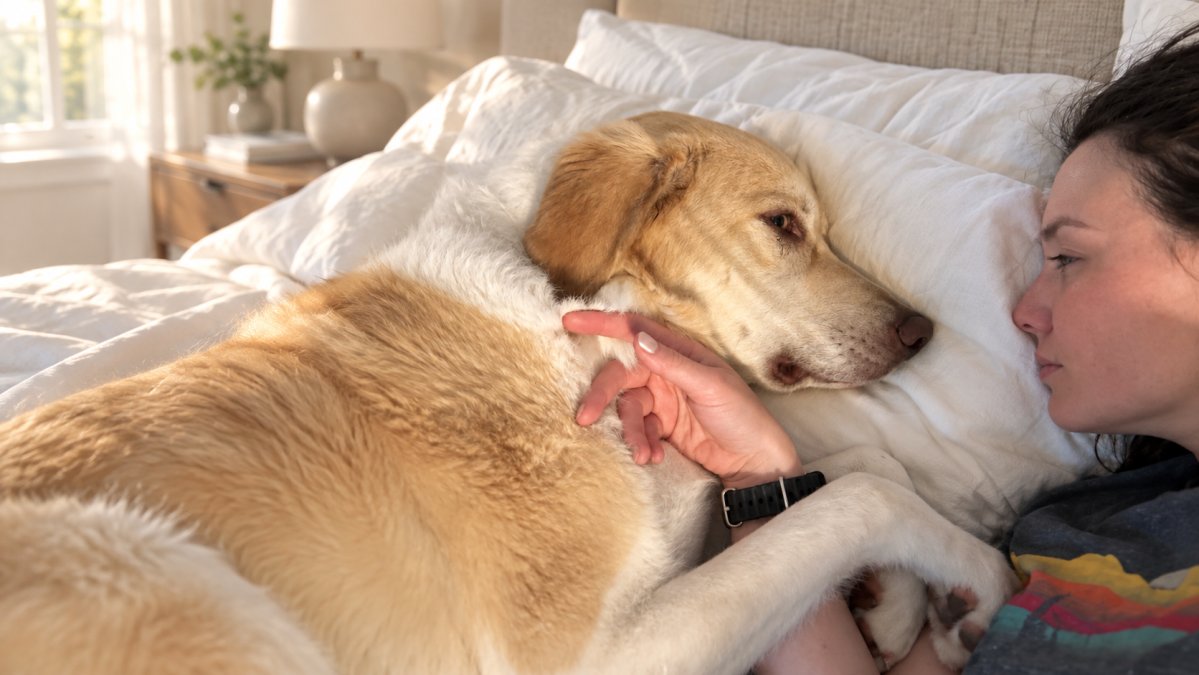
Understanding Dog Body Language Signs of Stress
Before your dog can ask for space, you need to recognize when they need it. Dogs show stress in many ways, and learning to read these signs keeps everyone safe.
Common signs include:
- Ears pulled back or pinned to the head
- Whale eye (white showing around the eyes)
- Lip licking or yawning when not tired
- Stiff body or slow, tense movements
- Tail tucked or held low
- Turning their head away
- Walking in slow motion or freezing
- Panting when it's not hot
Some dogs show stress quietly. Others bark or lunge. Both are communication. A dog who barks at other dogs may be saying "stay away" because they're scared, frustrated, or overstimulated. A dog who freezes may be shutting down.
The point isn't to label your dog as "aggressive" or "fearful." It's to understand what they're telling you. When you see these signs, your dog is asking for help.
Creating a Safe Space and Designated Relaxation Area
A safe space is a physical area where your dog can retreat when they feel overwhelmed. It's not a punishment. It's a sanctuary.
Setting Up a Quiet, Low-Distraction Environment
Choose a spot away from the main activity, a corner of a bedroom, a quiet hallway, or a nook. The space should be:
- Quiet and away from foot traffic
- Cool and comfortable
- Easy for your dog to access anytime
- Away from windows with street noise or visual triggers
Set up a mat, blanket, or bed your dog already knows, and add a chew or puzzle toy if they enjoy them. The goal is to make this space feel calm and rewarding.
Spend time there when your dog is already relaxed. Toss treats, play a calm game, and let them learn that good things happen in this spot without pressure to use it.
Using a Crate or Boundary as a Safe Haven
Some dogs find a crate comforting. Others prefer an open boundary marked by a mat or gate.
If you use a crate:
- Leave the door open during calm times
- Never force your dog inside
- Make it a positive place with treats and toys
- Let your dog choose to go in
If you use a boundary:
- Use a baby gate or a visual marker like a mat
- Teach your dog that this area is theirs
- Practice rewarding them for settling there
- Keep it separate from where the family usually hangs out
The safe space isn't a place to lock a reactive dog away. It's a choice your dog can make when they need a break.

The Step-by-Step Training Plan for Teaching Space-Asking Behavior
Teaching your dog to ask for space takes time, but the process is straightforward. You're building a new behavior one small piece at a time.
Phase 1: Building the Foundation with a Verbal Cue
Start in your quiet, low-distraction environment, with your dog calm and no reason to leave. Pick a cue word, "go to your place," "settle," or "mat", and use the same word every time.
Here's how to start:
- Toss a treat on the mat or in the crate
- Say your cue word as your dog moves toward it
- Let them eat the treat
- Repeat 5-10 times in one session
- Practice once or twice daily for a week
Your dog is learning to associate the word with the action, they're choosing to go there because treats happen. Once they move toward the space on cue, you're ready to add duration.
Phase 2: Rewarding Desired Behavior and Gradual Distance
Now your dog knows the cue. Gradually ask them to stay in the space a little longer.
Start small:
- Say the cue
- Your dog goes to the space
- Wait 2-3 seconds
- Toss a treat into the space
- Repeat
Each session, add a few more seconds. If your dog leaves before you reward, don't react. Just reset and try again. No frustration. No punishment.
Once your dog can stay for 30 seconds, you can start moving slightly away:
- Say the cue
- Your dog settles
- Take one step back
- Wait 5 seconds
- Toss a treat
- Return to your dog
Gradually increase distance and duration over weeks, aiming for your dog to choose to stay in their space even when you're not right there.
Phase 3: Practicing in Real-World Scenarios
Once your dog is solid with the cue at home, practice in slightly busier environments.
Try:
- A quieter room when family is moving around
- Your living room during normal activity
- Outside on a calm day in your yard
- On a quiet walk with few distractions
Each new environment is harder, so go slowly. Your dog may forget the cue or hesitate, that's normal. Reward heavily when they get it right in new places. During real stress, they may not remember the cue at all, and that's okay; you're building a habit that eventually becomes automatic.
Teaching Your Dog to Check In with You Instead of Reacting
One of the most powerful ways to teach your dog to ask for space is to reward them for looking at you instead of reacting to triggers.
Give Us Space Reactive Dog T-Shirt →
Here's how to build it:
- In a calm environment, hold a treat near your face
- Your dog looks at your eyes
- Mark the moment with a word like "yes" or a clicker
- Reward immediately
- Practice 5-10 times daily for short sessions
Once your dog reliably looks at you for treats, practice on walks in quiet areas. When they notice something but haven't reacted yet, ask for the check-in and reward heavily.
The check-in also buys you time. A dog looking at you is not lunging. You can use that moment to increase distance or redirect.
Managing Dog Overstimulation on Walks
Walks are where many reactive dogs struggle most. There's too much happening, too fast, and nowhere to hide.
Teaching your dog to ask for space on walks means:
- Recognizing early stress signs before they escalate
- Changing direction or crossing the street before your dog reacts
- Rewarding calm behavior and distance-seeking
- Keeping walks short and manageable
If you see another dog in the distance and your dog's ears go back, that's the moment to act. Don't wait for barking or lunging. Change direction. Cross the street.
Some walks will be harder than others. On tough days, keep walks shorter. Focus on success, not distance.
Consider the time of day and location too. A quiet early morning walk is different from an afternoon walk during school pickup, so plan walks when conditions are calmer.
How to Advocate for a Reactive Dog in Public Spaces
Teaching your dog to ask for space is only half the work. You also need to advocate for your dog's needs to other people.
When someone approaches with their dog or wants to pet yours, you have the right to say no. This isn't rude. It's responsible.
Try these scripts:
- "My dog needs space. Please don't approach."
- "We're working on training. We can't say hi right now."
- "My dog is nervous with new people. Thanks for understanding."
- "She's reactive to other dogs. Let's give them room."
Many dog parents feel guilty saying no. Don't. Your dog's safety comes first. A dog who practices reacting gets better at reacting. A dog who practices calm gets better at calm.
Wearing apparel that communicates your dog's needs can help too. The Give Us Space Reactive Dog T-Shirt sends a clear message without you having to explain.
Common Mistakes and How to Troubleshoot
Even with the best plan, training doesn't always go smoothly.
Expecting too much too fast. Your dog won't nail this skill in two weeks.
Giving up after one bad walk. One reactive moment doesn't erase progress. Your dog may have a setback.
Not managing the environment. Training is important, but so is avoiding situations your dog can't handle yet.
If your dog shows signs of fear, pain, or escalating aggression, talk to a veterinarian or certified behavior consultant.
Teaching your dog to ask for space is an act of profound respect.
This skill takes patience, and some days will feel like no progress at all.
At EARSBACK, we believe dogs aren't broken. Wear your commitment proudly in apparel that celebrates the big feelings and the small wins of reactive dog parenthood.
Social Caption
Teaching your dog to ask for space changes everything. It's not about stopping reactions, it's about giving your dog a way to say "I need help" before they feel trapped. We break down the step-by-step training plan, how to read stress signals, and how to advocate for your dog in public. For every dog parent navigating reactivity, this skill can be incredibly helpful. Read the full guide on the EARSBACK blog.
#Reactivedog #DogTraining #DogBehavior #AskForSpace #ReactivedogLife #DogParent #EARSBACK
Frequently Asked Questions
What are the signs that a dog is asking for space or feeling stressed?
Dogs communicate stress through body language before they bark or lunge. Watch for ears back or flattened, yawning, lip licking, turning their head away, stiff body posture, or moving behind you. Some dogs freeze or slow down their movement. These signals mean your dog is uncomfortable and needs distance. Learning to recognize these early signs helps you respond before your dog feels forced to escalate their response.
How long does it take to teach a dog to ask for space?
Every dog learns at their own pace. Some dogs show progress in a few weeks of consistent daily practice; others need several months. The timeline depends on your dog's age, temperament, prior experiences, and how often you practice. Consistency matters more than speed. Even small wins, a glance toward you, a step back, a moment of calm, count as progress. Many dog parents see meaningful changes within 4-6 weeks of regular training.
Can I teach a dog to ask for space if they're already reactive?
Yes. Reactive dogs can absolutely learn to ask for space, and doing so often reduces their overall reactivity. Start in low-stress environments where your dog feels safe, then gradually increase difficulty. Work with a certified behavior consultant or qualified reward-based trainer if your dog has a history of escalating behavior or if you're unsure about safety. The goal is to give your dog a way to communicate their discomfort before they feel cornered or overwhelmed.
What's the best way to handle unwanted greetings from other dogs on walks?
Prevention is your first tool. Cross the street early, change direction, or step off the path when you see another dog approaching. Use your verbal cue to redirect your dog's attention back to you before they feel pressured to greet. Keep your leash loose but ready, and stay calm, dogs pick up on tension. If a greeting happens, ask the other handler for space politely and move away. Rewarding your dog for moving with you or checking in builds their confidence and gives them an alternative to reacting.