

Handle Reactive Dog Judgment With Confidence
Table of Contents
- Understanding Reactive Dog Judgment
- Scripts for Reactive Dog Owners in Public
- How to Advocate for a Reactive Dog
- Managing Your Own Stress and Anxiety
- Finding Your Reactive Dog Community Support Groups
- Celebrating Small Wins and Reframing Failure
- Conclusion
- Frequently Asked Questions
Last Updated: September 23, 2026
Understanding Reactive Dog Judgment
When your dog lunges, barks, or freezes on a walk, the moment often feels twice as hard because you're managing two things at once: your dog's reaction and the weight of watching eyes.
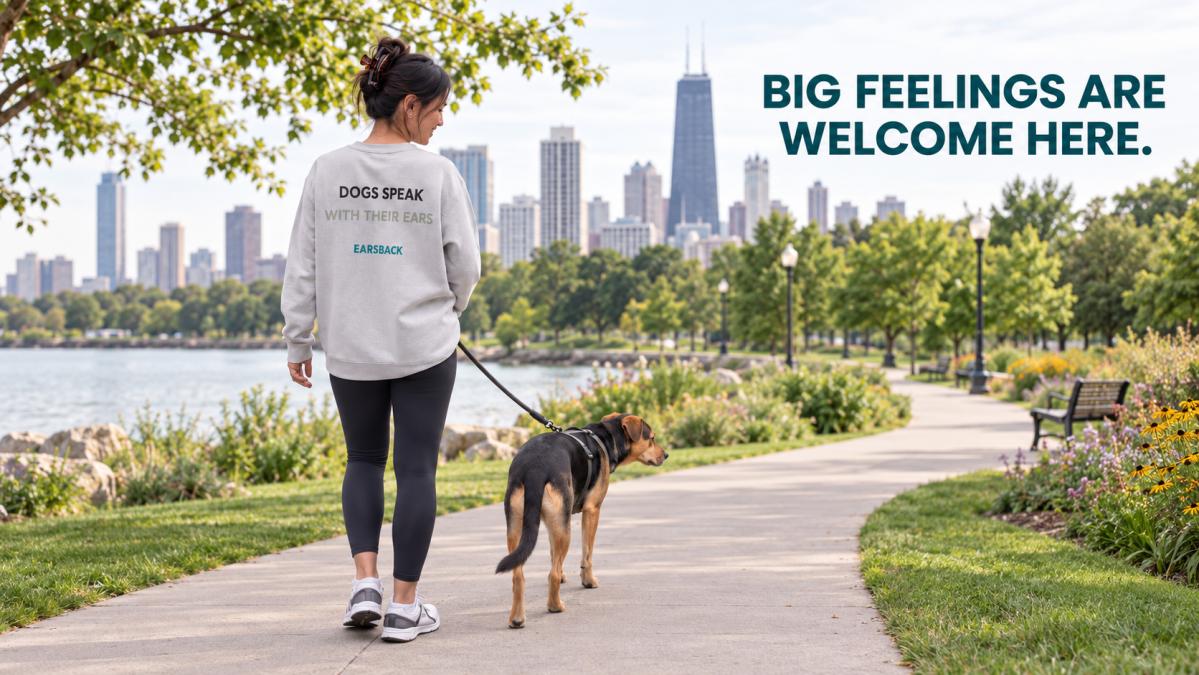
How to Explain Reactive Dog Behavior to Others
Reactive dog judgment is real. Strangers assume your dog is aggressive. Other dog owners cross the street. People offer unsolicited advice. And underneath it all, you're questioning yourself too.

Bark First, ask Questions later Policy Dog T-Shirt
Here's what matters: reactive dog judgment doesn't reflect your dog or your effort. It reflects a gap in understanding. Most people don't know that reactivity can stem from fear, anxiety, frustration, overstimulation, pain, or learned behavior. They see barking and lunging and draw the quickest conclusion. Your job isn't to convince them they're wrong. Your job is to protect your dog, manage the moment, and build confidence in yourself.
This guide covers practical scripts, boundary-setting language, and strategies for handling reactive dog judgment with clarity and compassion. You'll learn what to say when strangers approach, how to respond to unsolicited advice, and how to advocate for your dog without shame.
Scripts for Reactive Dog Owners in Public
The hardest part of handling reactive dog judgment isn't your dog's behavior. It's the conversation that follows.
Having a script ready takes the pressure off in the moment. You won't scramble for words while your nervous system is activated. You'll have something clear, kind, and firm to say.
What to Say When Strangers Approach
A stranger walks toward your dog. Your dog's ears go back. You feel the panic rising.
What you say next sets the tone for the entire interaction.
The direct approach: "Please don't approach. My dog needs space."
This is simple, kind, and firm. It doesn't invite debate. It states a fact. Most people will respect it immediately.
If they ask why: "My dog is reactive to unfamiliar people. Right now, space is what helps them most."
This explains without over-explaining. You're not apologizing. You're not making excuses. You're giving context that helps them understand this is a management issue, not a character flaw.
If they seem skeptical: "I appreciate that you love dogs. This is what's safest for both of us right now."
This acknowledges their good intention while holding your boundary. It's warm but non-negotiable.
Responding to Unsolicited Advice
"Have you tried socializing him more?"
"He probably just needs more exercise."
"You should let other dogs correct him."
These comments sting because they imply you're doing something wrong. You're not. But responding defensively often makes the moment harder.
A calm, educational response: "I've worked with a trainer on this. Reactivity involves fear or anxiety, not a lack of socialization. We're taking it one step at a time."
This redirects the conversation toward accuracy without being condescending. You're offering information, not defending yourself.
If you need to end the conversation: "I appreciate the suggestion. We have a plan with our trainer, and that's what we're following."
This closes the door politely. You don't owe anyone a debate about your dog's behavior.
If the advice is genuinely harmful: "That approach doesn't work for anxious dogs. We're using reward-based methods instead."
Name the method you're using. It signals that you know what you're doing and you've made an informed choice.
Setting Boundaries Without Apology
Your dog doesn't need space because something is wrong with them. They need space because that's what keeps everyone safe and sets them up to succeed.
Stop apologizing for that boundary.
Instead of: "I'm so sorry, he's just really reactive. Would you mind staying back?"
Say: "My dog needs space. Please keep your distance."
The difference is subtle but powerful. The first version frames your dog's need as a problem and asks for permission. The second states a fact and protects your dog.
When someone gets offended: "I understand this might seem strict. It's how we keep him feeling safe and prevent incidents."
You're not explaining why your dog is broken. You're explaining why the boundary exists. There's a difference.
For repeat situations (like neighbors or regular walking routes): "We're managing his reactivity with a trainer. During our walks, we need to keep distance. Thanks for understanding."
Celebrating Small Wins Reactive Dog Crewneck →
This establishes the expectation upfront so you're not negotiating it every time you see them.
How to Advocate for a Reactive Dog
Advocacy starts with understanding what your dog is actually communicating.
Reactivity is behavior. Behavior is communication. Your dog isn't being difficult. They're telling you something feels unsafe, overwhelming, or unpredictable.
When you advocate for your dog, you're translating that communication for others.
Body Language and Handler Stress
Your dog reads you constantly. If you're tense, anxious, or bracing for a reaction, your dog feels it and often mirrors it.
This doesn't mean you caused the reactivity. It means your nervous system and your dog's nervous system are connected.
What calm advocacy looks like:
- Relaxed shoulders
- Steady breathing
- Loose leash (not tight or jerky)
- Confident posture, not defensive
When you stand tall and speak clearly, you signal to your dog that you're managing the situation. That matters.
What stress looks like (and what to change):
- Hunched shoulders
- Shallow breathing
- Tight leash
- Apologetic tone
If you notice these patterns, pause. Take a breath. Loosen the leash slightly. Speak in a calm, matter-of-fact tone.
Your dog doesn't need you to be perfect. They need you to be steady.
Visual Cues and Safety Gear
What your dog wears communicates before you ever open your mouth.
Gear that helps:
- A well-fitted harness (easier to manage than a collar alone)
- A longer leash for better distance management
- Apparel that clearly communicates your dog's needs
Managing Your Own Stress and Anxiety
Your dog's reactivity can trigger real anxiety in you.
Every walk becomes a potential conflict. You start avoiding certain routes. You feel embarrassed or judged. Over time, this stress compounds.
Practical ways to manage handler stress:
- Walk at quieter times when possible
- Prepare a script before walks (reduces decision-making in the moment)
- Focus on one small win per walk instead of perfect behavior
- Talk to other reactive dog parents who understand
- Consider therapy or counseling if anxiety is affecting your quality of life
During a difficult moment:
- Pause and breathe
- Step away if you need to
- Remind yourself that one reaction doesn't erase progress
- Move forward without self-criticism
You're doing hard work. Acknowledge that.
Finding Your Reactive Dog Community Support Groups
One of the most powerful things you can do is connect with other people who live this reality.
Where to find reactive dog communities:
- Online forums dedicated to reactive dogs
- Local training groups that focus on behavior management
- Social media groups for anxious or fearful dogs
- Meetups organized by certified behavior consultants
What to look for in a good group:
- Members who understand reactivity is not a character flaw
- Emphasis on management and small wins
- Non-judgmental space to share struggles
- Practical advice from experienced dog parents
Celebrating Small Wins and Reframing Failure
Your dog didn't lunge at that trigger today. They saw another dog and only barked once instead of three times. They made eye contact with you instead of fixating on the stranger.
These are wins. Celebrate them.
What a small win looks like:
- Your dog noticed a trigger but didn't react
- You stayed calm when your dog reacted
- You set a boundary without apologizing
- You walked a route you've been avoiding
- You had a conversation with a stranger without feeling shame
The shift from blame to problem-solving changes everything.
Conclusion
Handling reactive dog judgment with confidence means two things: protecting your dog's space and protecting your own peace.
That matters.
Strategy |
When to Use |
What It Does |
|---|---|---|
Direct boundary ("Please don't approach") |
Stranger approaching your dog |
Stops interaction before it escalates |
Educational response |
Unsolicited advice |
Redirects toward accuracy without defensiveness |
Calm body language |
Every walk |
Signals safety to your dog and confidence to others |
Visual cues (apparel, gear) |
All public situations |
Communicates your dog's needs before conversation |
Community connection |
Ongoing |
Reduces isolation and builds confidence |
Small-win celebration |
After every walk |
Reinforces progress and shifts mindset |
Social Caption:
Frequently Asked Questions
How do I respond when strangers judge my reactive dog in public?
Start with a calm, clear boundary: 'Thanks for caring, but my dog needs space right now.' You don't owe strangers a full explanation. If someone persists, a simple 'We're working on it' or 'My dog is doing their best' ends the conversation. Your tone matters more than your words—staying relaxed signals that you're in control, which often reduces tension for both you and your dog. Practice these scripts beforehand so they feel natural when stress hits.
Is it normal to feel embarrassed or anxious about my dog's reactivity?
Absolutely. Many reactive dog parents experience real stress and social anxiety during walks. The judgment you perceive—and sometimes receive—is real, and your feelings about it are valid. This emotional weight is one reason reactive dog community support groups exist. You're not failing; you're navigating a genuine challenge. Recognizing your own stress is the first step to managing it, which actually helps your dog stay calmer too.
What's the difference between a reactive dog and an aggressive dog?
Reactivity and aggression are not the same, though they can overlap. A reactive dog responds intensely to triggers like other dogs, people, or noises—barking, lunging, or pulling hard. This may stem from fear, anxiety, frustration, excitement, or overstimulation. Aggression is the intent to harm. A reactive dog may look aggressive but isn't necessarily trying to bite. That said, any frightened, cornered, or overwhelmed dog—reactive or not—may bite if they feel threatened. Every dog must be considered individually and in context.
How can I stay calm when my dog reacts in public?
Your own body language directly affects your dog's arousal level. Before walks, take a few deep breaths and remind yourself that your dog's reaction isn't a reflection of your worth as a dog parent. During a reaction, avoid tightening the leash or speaking in a tense voice—both signal stress to your dog. Instead, create distance from the trigger, take a step back, and breathe. If you can stay calm and relaxed, your dog has a better chance of doing the same. This takes practice, and it's okay to work with a certified behavior consultant or qualified reward-based trainer for support.